 Best
Best Blackout Curtains
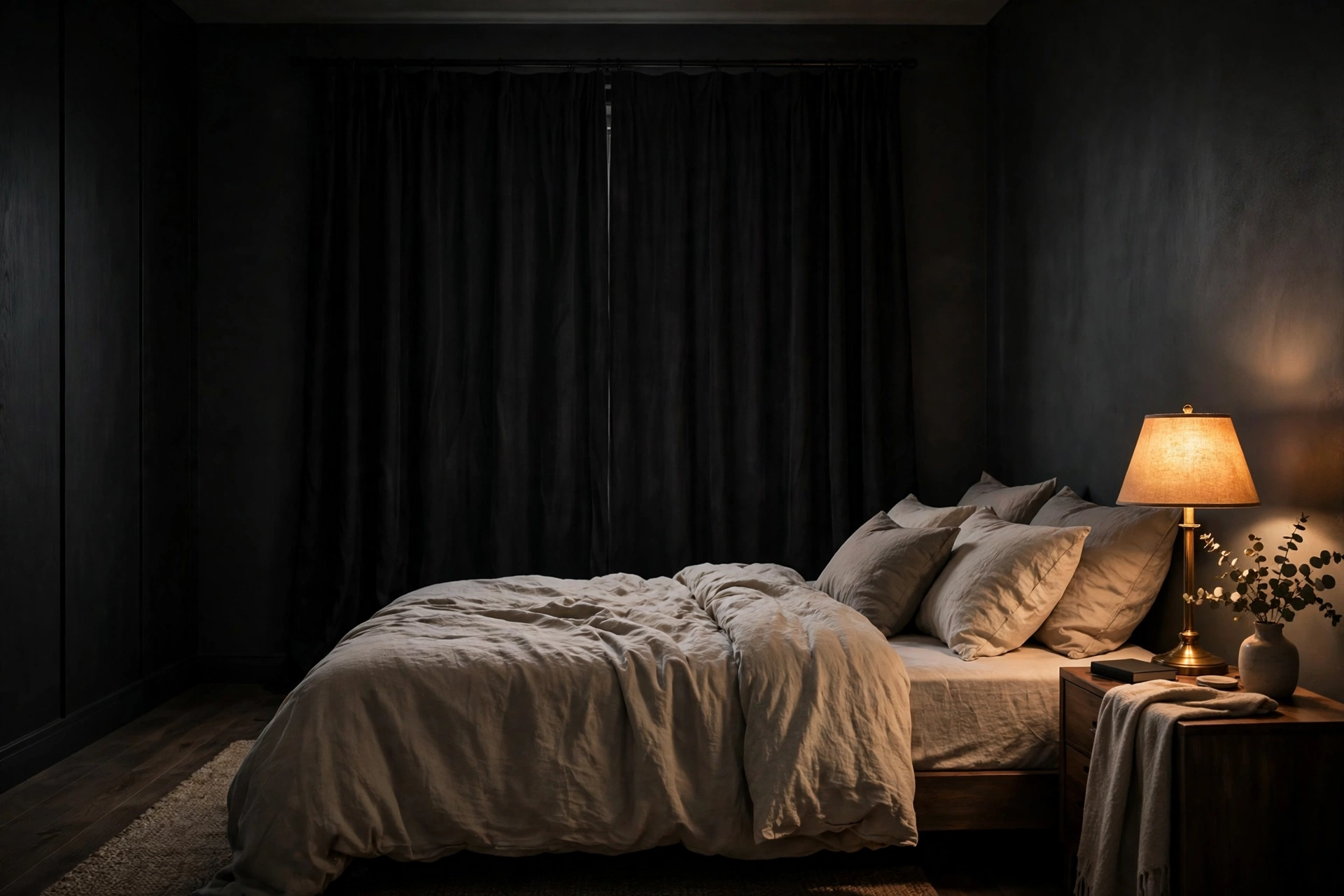
Blackout curtains only work when the fabric blocks light and the edges seal. This guide compares picks by job and shows how to stop side, top, and center leaks.
A dark bedroom needs two things. The fabric has to block light through the panel, and the hanging has to block light around it. A good fabric hung too narrow leaves bright lines at the sides. A thin panel hung wide still glows in sun. This guide covers both jobs, so you can judge a curtain by what it does in your room, not by the word on its label.
If you are choosing curtain styles for the whole home, start with the best window curtains guide. If the room is a bedroom, the best curtains for bedroom guide covers the wider bedroom trade-offs. This article stays on the darkness job.
What blackout curtains actually do
Blackout curtains aim for near-total darkness through the fabric, while room-darkening curtains only dim a room. That plain difference is the whole buying decision. A blackout panel uses a dense weave, a bonded liner, or a foam-backed layer to stop light passing through the cloth itself. A room-darkening panel uses heavier fabric without a full blackout layer, so daylight softens but still shows through, often as a glow across the panel.
The label alone does not settle it. Retail listings use the word blackout for panels that block very different amounts of light, so treat the label as a claim to check. Hold the fabric up to a bright lamp or sunny window before you commit to a full set. A true blackout fabric looks opaque, with no clear glow. A room-darkening fabric will show light through it.
Color helps, but construction matters more. A light colored panel with a blackout liner blocks more light than a dark panel made from a single thin layer, because the liner is what stops the light. When the construction differs, choose the better construction first and pick the color that suits the room second. For sleep, choose a dark or mid color version of an opaque fabric: a lighter color of the same fabric may show a faint glow in direct sun, which matters most when you need the room dark in daylight.
Blackout curtains also give privacy at night, since an opaque panel stops silhouettes showing from outside when indoor lights are on. They can soften higher sounds a little, but they do not soundproof a room. Their main job, and the job to judge them on, is darkness.
Best blackout curtains at a glance
The best pick depends on the job, not on one overall winner. Sleepers need the most opaque fabric. Budget buyers need a solid panel at a low outlay. A linen look matters when the bedroom has to look soft by day as well as dark at night. Wide windows need coverage first, because a short or narrow set will leak at the edges no matter how good the fabric is.
| Pick | Best for | Fabric | Header | Care |
|---|---|---|---|---|
| NICETOWN blackout curtains | Sleep and everyday darkness | Triple-weave, no coating | Grommet | Machine washable |
| BGment blackout curtains | Tight budgets | Triple layer | Grommet | Machine washable, cold water |
| Deconovo blackout curtains | Darkness with a thermal layer | Dense blackout with thermal build | Grommet | Machine washable |
| H.VERSAILTEX linen blackout curtains | A linen look without giving up darkness | Linen-look face, blackout lining | Check listing | Check care label |
| TWOPAGES blackout drapes | Wide windows and custom sizes | Pleated, blackout lining | Pleated | Follow care label, not machine wash unless stated |
As an Amazon Associate I earn from qualifying purchases.
Best blackout curtains by job
The picks below are grouped by the job each one does best. Check the size and hanging notes for each one before you order, since a panel that fits the window frame but not the rod span will still leak.
NICETOWN blackout curtains: best for sleep
NICETOWN triple-weave panels are the pick for sleepers who want a dark room night after night. The dense middle layer does the blocking work, rather than a coating sprayed on the back, so there is no coating to peel. The panels come in a wide range of colors and sizes, with grommet tops that slide easily, and the fabric is machine washable. Panel count: confirm on the listing whether you are buying one panel or a pair before you order.
Key features: triple-weave fabric with no separate liner to peel away, grommet top for easy daily use, wide choice of colors and lengths, machine washable.
Pros: opaque fabric suited to bedrooms and daytime sleep; triple-weave construction with no coating to peel; easy to hang and slide.
Cons: heavier than a single layer panel, so the rod needs to be sturdy; lighter colors may show a faint glow in direct sun, so sleepers should choose a dark or mid color version; grommet top leaves small gaps at the very top, so add a valance if the top leak matters.

BGment blackout curtains: best for a tight budget
BGment panels are the pick when the budget is tight and the room still needs real darkness. They use a triple layer fabric with a grommet top, and they are machine washable in cold water. They suit a first set, a guest room, or a rented room.
Key features: triple layer fabric, grommet top with metal rings, machine washable in cold water, common bedroom lengths.
Pros: solid darkness for a low outlay; simple to hang and easy to slide; practical for rentals and guest rooms.
Cons: color choice is narrower than some rivals; lighter shades may let a little more light through the fabric itself (not an edge leak, which is a gap at the side, top, bottom, or center); still needs wide hanging to avoid side leaks. Panel count: confirm on the listing whether you are buying one panel or a pair before you order.
Deconovo blackout curtains: best for darkness with a thermal layer
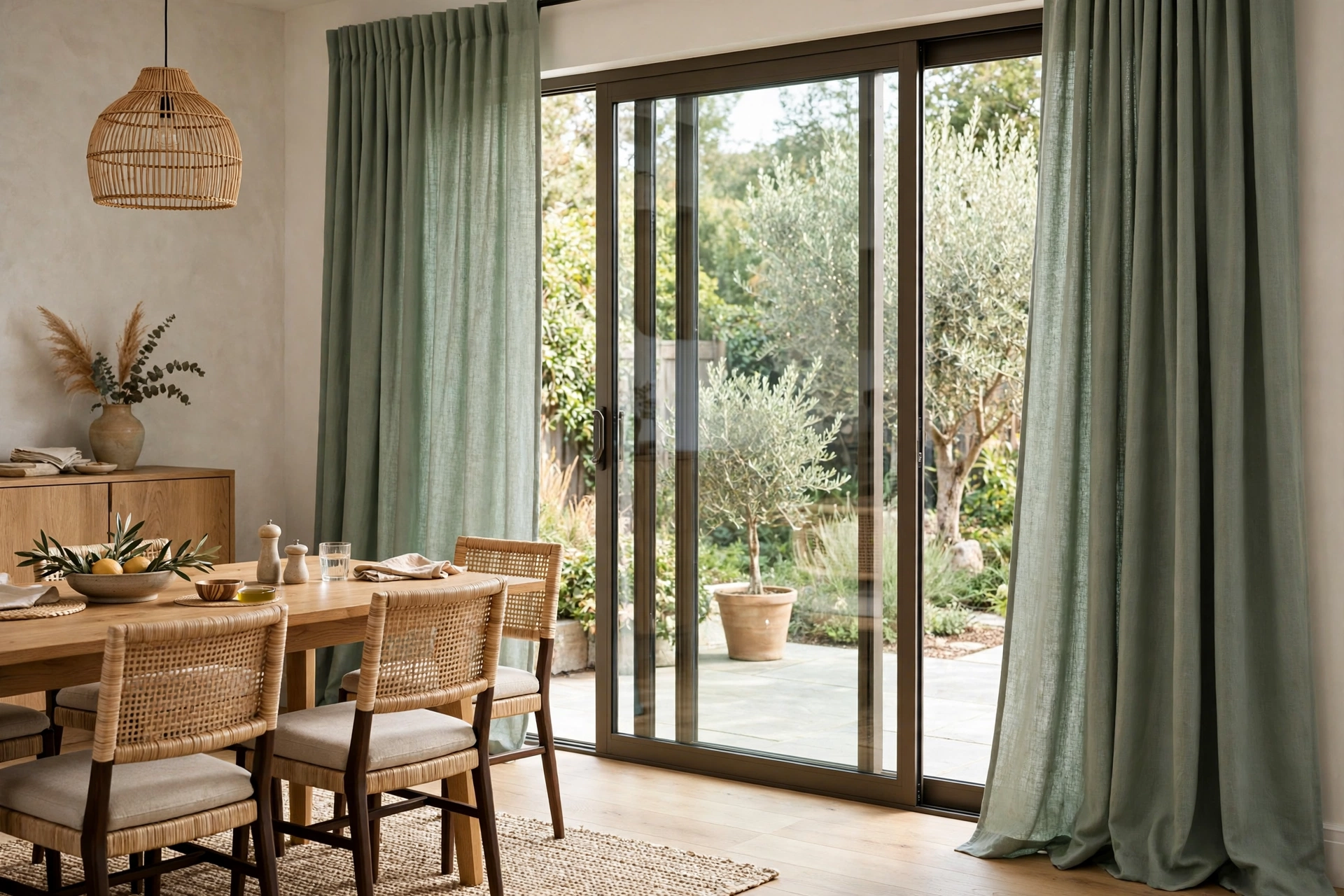
Deconovo panels are the pick when darkness is the main job and a thermal layer is a welcome extra. The maker describes a thermal insulated build that adds an insulating layer behind the face fabric as well as blocking light. It will not turn the curtain into a heater or a cooler. For the full heat and cold picture, read the best thermal insulated curtains guide.
Key features: dense blackout fabric with a thermal insulated build, grommet top, machine washable, wide size range.
Pros: strong darkness plus an insulating layer; wide size range suits many standard windows.
Cons: heavier fabric needs a sturdy rod; fewer bold colors than some rivals; thermal benefit is a bonus, not a fix for a drafty window. Panel count: confirm on the listing whether you are buying one panel or a pair before you order.
H.VERSAILTEX linen blackout curtains: best for a linen look
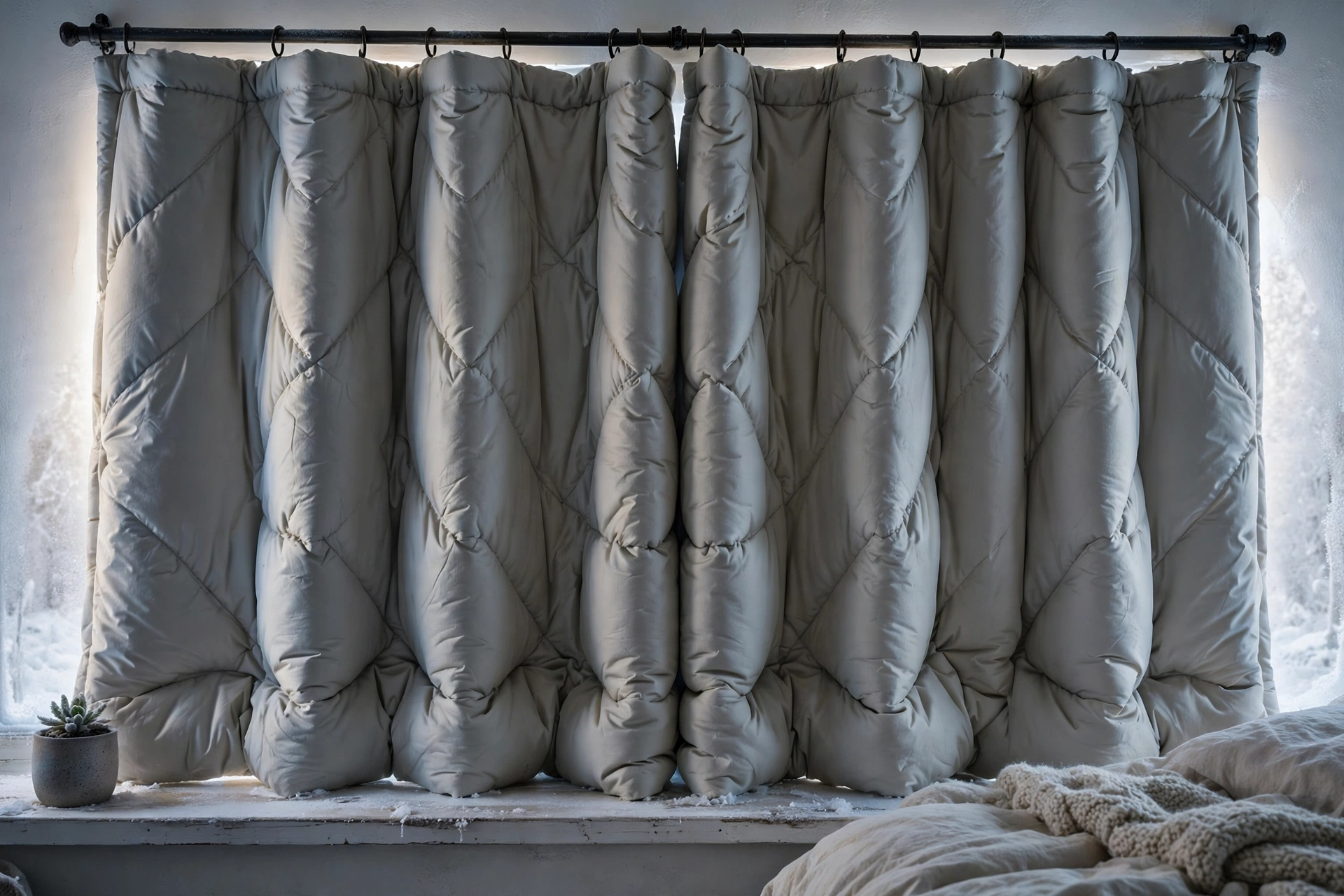
H.VERSAILTEX linen-look panels are the pick when the bedroom has to look good in daylight and go dark at night. The face fabric has a linen texture, while a blackout lining behind it does the blocking work. You do not have to choose between a soft look and a dark room.
Key features: linen textured face fabric, blackout lining sewn behind the face fabric, neutral and warm color options, a set of two panels for standard windows. Header type and wash method are not stated in this summary: check the listing and care label before ordering, and do not assume machine wash.
Pros: looks like linen, blocks like a blackout panel; suits bedrooms where style matters as much as darkness; linen texture is the face fabric, with blackout lining behind it.
Cons: costs more than a plain budget panel; fewer bold colors; check header type on the listing, since it is not stated here.
TWOPAGES blackout drapes: best for wide windows
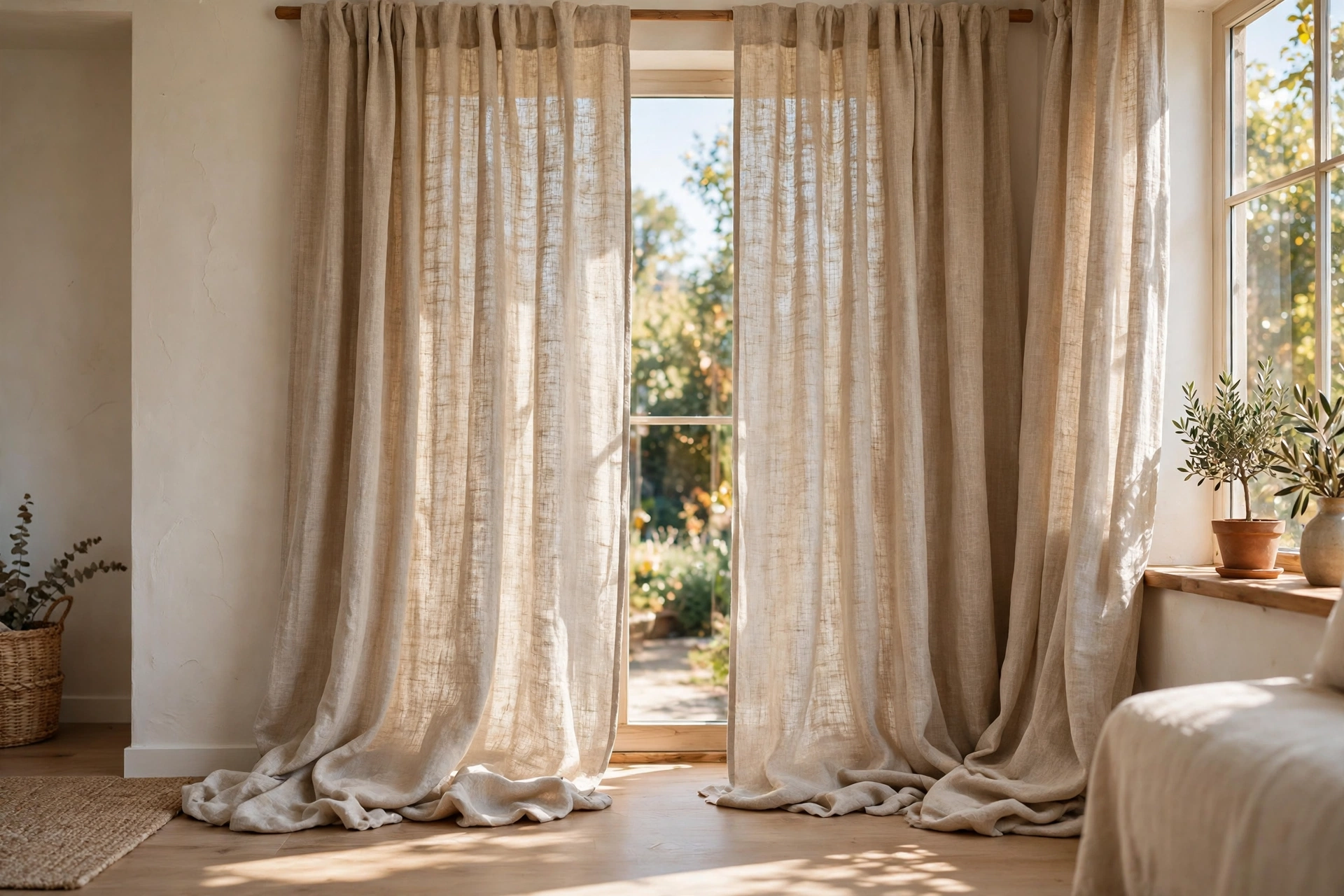
TWOPAGES pleated blackout drapes are the pick for wide windows, because the sizing is customizable rather than fixed to standard lengths. A wide window fails most often at coverage: a standard pair stretched flat leaves a bright center split, and a short pair leaves a bright strip at the bottom. Custom sizing lets you order panels that cover the full rod span with folds left over and reach the floor. The drapes use a blackout lining. Care follows the care label for this drape: it is not stated here as machine washable, so do not machine-wash it unless the listing says so.
Key features: customizable sizing for wide spans, pleated headings for a tailored drape, blackout lining, choice of colors and heading styles.
Pros: solves the wide window coverage problem at the order stage; tailored look suits a main bedroom; pleats hold even folds, so the panel keeps its coverage when drawn instead of stretching flat.
Cons: curtain rings and rods are not included; care needs more attention than a machine wash panel; custom sizing means a wrong measurement cannot be fixed by swapping a standard size. Ordering note: order the full set at once, since color may vary slightly between dye lots.
How to choose fabric that blocks light
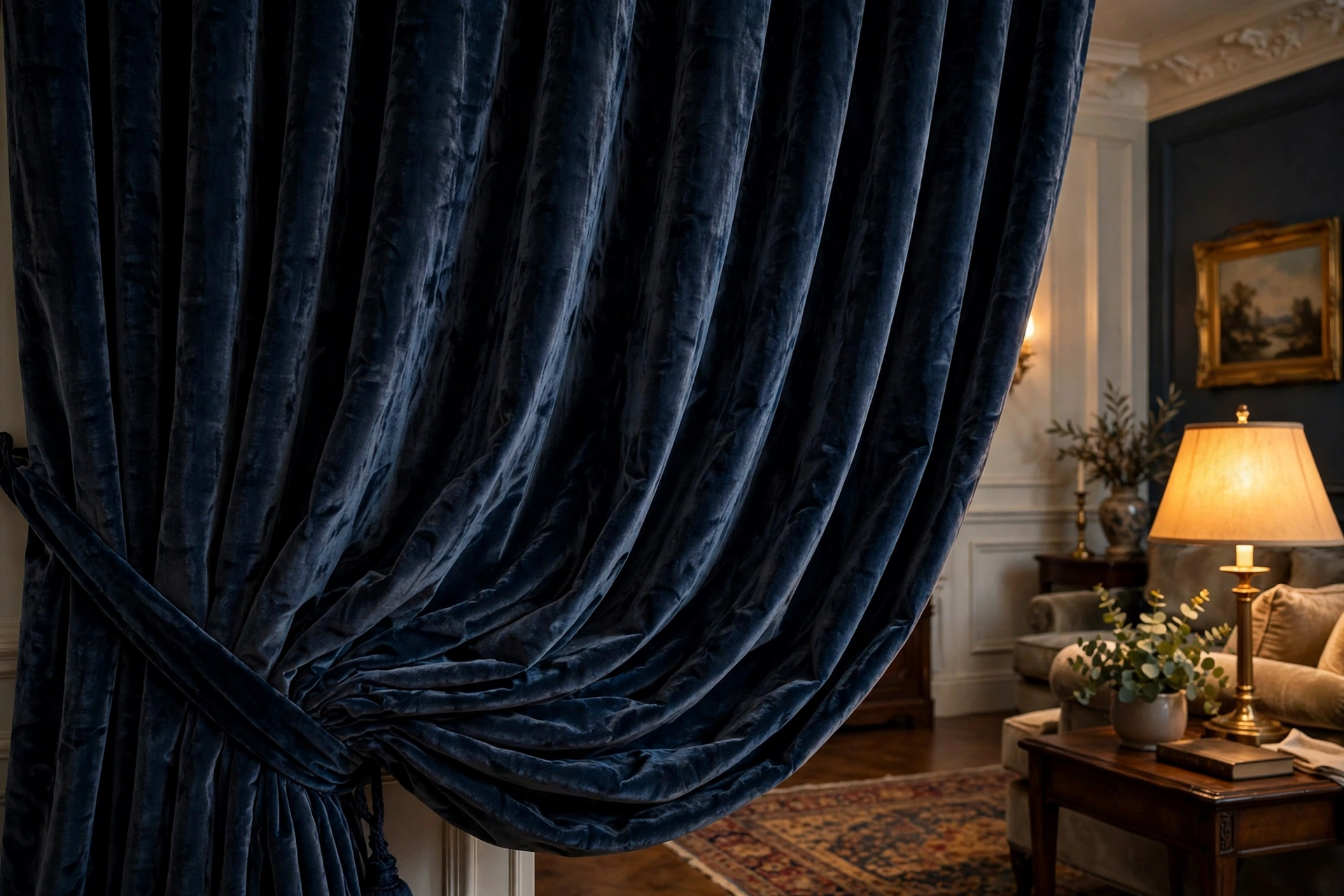
The best fabric stays opaque after washing and suits how often you open and close it. Triple-weave blocks light through its structure, with two outer layers around a dense middle layer. Foam-backed fabric adds a coated layer on the back that blocks light well at first, but high heat and harsh washing can damage it. A sewn-in liner gives a third route: a decorative face fabric with a blackout layer behind it.
Check the header as well as the cloth. Grommet tops slide well and suit daily use, but the rings leave small gaps at the very top. Rod pocket tops sit closer at the top, yet they drag more when drawn. Pleated headings draw smoothly and hold even folds.
No rod-pocket pick is listed here, because the picks that met the darkness job are grommet or pleated. If you want a rod-pocket top, choose a rod-pocket version of a triple-weave or lined pick, and check that it slides freely on your rod before you commit. If you already own curtains you like, a separate blackout liner can save the set. Clip-on or hook-in liners hang behind the existing panel and add the opaque layer. Measure the existing panel first, and check that the liner header matches your rod system. A liner that is too short leaves a bright strip at the bottom.
Fabric weight is only a hint, not a guarantee. A heavy panel made from loose weave can still glow. Use the bright light test, and read the listing for triple-weave, foam-backed, or blackout liner. Be wary of listings that say only room darkening when you need full darkness.
How to stop light leaks around the edges
Most failed blackout setups fail at the edges, not through the fabric. Light slips in at four places: the sides, the top, the bottom, and the center where two panels meet. Start with the rod, since rod position decides how much fabric can cover the window.
In this guide, a leak means a gap at an edge: side, top, bottom, or center. Light coming through the fabric itself is a different problem, and is called glow or see-through in the cards above. Mount the rod high and wide. As a starting point, mount the rod 4 to 6 inches above the frame and extend it 4 to 6 inches past the frame on each side, so the panel covers the frame edges and stacks clear of the glass when open. For total width, aim for about 2 times the rod width for standard fullness, so the panels still gather when closed. A rod set close to the ceiling cuts the top gap. For exact steps, read the how to hang curtains guide and the how to measure for curtains guide before you drill, since measuring from the rod position changes the size you need. For the grommet picks in this guide, the top gap from the rings is closed by a valance or cornice over the top, or by choosing a back-tab or pinch-pleat version where offered.
Use a wrap-around rod when side leaks are the main problem. A wrap-around rod, also called a return rod, bends back to the wall at each end, so the panel edge sits close to the wall instead of floating in front of it. A valance or cornice over the top does the same job for the top gap.
Overlap the center and reach the floor. Two panels should overlap where they meet in the middle, so no bright line shows at the center split. Panels that stop at the sill leave a bright strip below them, so floor length panels suit bedrooms better. The curtain sizes guide covers length and width choices in full.
Do a morning leak check after hanging. Close the panels in the morning, wait a moment for your eyes to adjust, then look slowly around all four edges. Mark each leak with tape, then fix the worst one first. Often one change, such as widening the rod or adding a valance, clears several leaks at once. A sleep mask can cover any last sliver while you sort a fix.
Sleepers, shift workers, and street-facing bedrooms
The darkest room matters most for people who sleep while the world is awake. Shift workers sleep in full daylight, so even a dim room can fragment sleep. Street-facing bedrooms face streetlights, car headlights, and lit signs after dark. Both need opaque fabric, a wide and high rod, a wrap-around seal at the sides, and a center overlap, but the check timing differs.
For shift workers, run the leak check in daylight before the first daytime sleep, not after it. Close the panels well before the sleep window, and keep them closed through it, since a burst of daylight can undo the setup. Add a sleep mask for any last sliver.
For street-facing bedrooms, run the leak check at night with indoor lights on and streetlights outside, because that is when the room is actually used. Look for bright lines at the sides and top where streetlight comes in, and fix those edges first.
If heat or cold is the main complaint, the thermal guide covers that job separately. If noise is the main complaint, pair the curtains with a white noise machine or earplugs.
How to care for blackout curtains
Gentle care keeps blackout fabric blocking light for years. Most triple-weave panels wash best in cold water on a gentle cycle, with a mild detergent. Lined or pleated drapes may need hand washing or dry cleaning instead, so check the care label first, and do not machine-wash a drape whose card does not say machine washable. Skip bleach and fabric softener, since both can break down a liner or coating. Tumble dry low or hang to dry, since high heat harms foam-backed layers. Iron low and only on the face, never on the liner.
Vacuum with a brush attachment between washes. Check the care label before the first wash, since some lined or pleated drapes need hand washing or dry cleaning instead. A stretched or shrunken panel will leak at the edges even if the fabric still blocks light.
Let panels hang for a while after washing or unpacking, since creases often drop out on their own. Keep steam and heat away from a foam backing. If a foam-backed or coated panel starts to peel or crack, that panel has reached the end of its blackout life. Triple-weave panels with no coating do not peel in the same way.
Mistakes that leave a room too bright
The most common mistake is ordering panels the same width as the window. Flat, stretched fabric has no spare width to cover the rod span once drawn, so it leaves gaps at the sides and center. Order enough width to cover the rod with folds left over. A second mistake is hanging the rod just above the frame and just past its sides, which leaves a top gap and side channels that glow all night.
A third mistake is trusting color over construction. A dark panel with no blackout layer will still glow, while a light panel with a proper liner will go dark. A fourth mistake is buying one panel for a wide window. Wide windows need two or more panels, or a custom width, with a center overlap.
Finally, do not judge darkness in a shop or on a phone screen. Judge it in your room, in the morning, with the panels closed and your eyes adjusted.
Frequently asked questions
Short answers first, then the detail that helps you act on each one.
Do blackout curtains block all light?
No single panel blocks every ray on its own, but a good setup gets close enough that the room feels dark. If light still shows, check the edges first, since edge leaks cause most bright rooms.
What is the difference between blackout and room-darkening curtains?
Blackout curtains aim for near-total darkness through the fabric, using a dense weave, a liner, or a foam-backed layer. Room-darkening curtains reduce brightness but still let daylight filter through, leaving a soft glow. Choose blackout for sleep and shift work. Choose room darkening where dimmed daylight is welcome.
Do I need a special rod for blackout curtains?
You need a sturdy rod mounted high and wide. A wrap-around rod is the specialist option for side leaks, because it bends back to the wall at each end. The rod must hold heavy panels without sagging, since a sagging rod dips in the middle, panels slide toward the center, and gaps open at the sides and top. A valance or cornice over the top closes the top gap.
Will blackout curtains help me sleep during the day?
Yes, darkness is one of the most useful changes for daytime sleep, since light tells the body to stay awake. Pair opaque fabric with a wide, high rod and a center overlap, and run the morning leak check before the first daytime sleep. Add a sleep mask for any last sliver.
Can I turn curtains I already own into blackout curtains?
Yes, a clip-on or hook-in blackout liner hangs behind your existing panels and adds the opaque layer. Measure the existing panel first, match the liner header to your rod system, and make sure the liner reaches the floor. A liner that is too short or too narrow will leave the same edge leaks as a short panel.
Do blackout curtains reduce noise?
They soften higher sounds such as traffic and voices a little, because heavy fabric adds mass in front of the window. They do not block deep bass or loud construction. Treat noise reduction as a bonus. For serious noise, add a white noise machine or earplugs.
How do I wash blackout curtains without ruining them?
Wash cold and gentle with a mild detergent, skip bleach and softener, and dry low or hang to dry. Iron low and only on the face fabric, never on the liner. Check the care label first, since some drapes need hand washing or dry cleaning.
How we chose these picks
We chose these picks by research, not by hands-on testing. We compared construction, header type, size range, and care notes from maker and retail listings, and grouped the picks by job. We did not claim test results we do not have, and we did not repeat maker light-blocking figures as verified facts.
Check the size, header, and care label on the listing before you order. Measure from the rod position, hang high and wide, and run the morning leak check after hanging. Those steps matter more than the brand name, and they turn a blackout curtain into a dark, restful room.