 Best
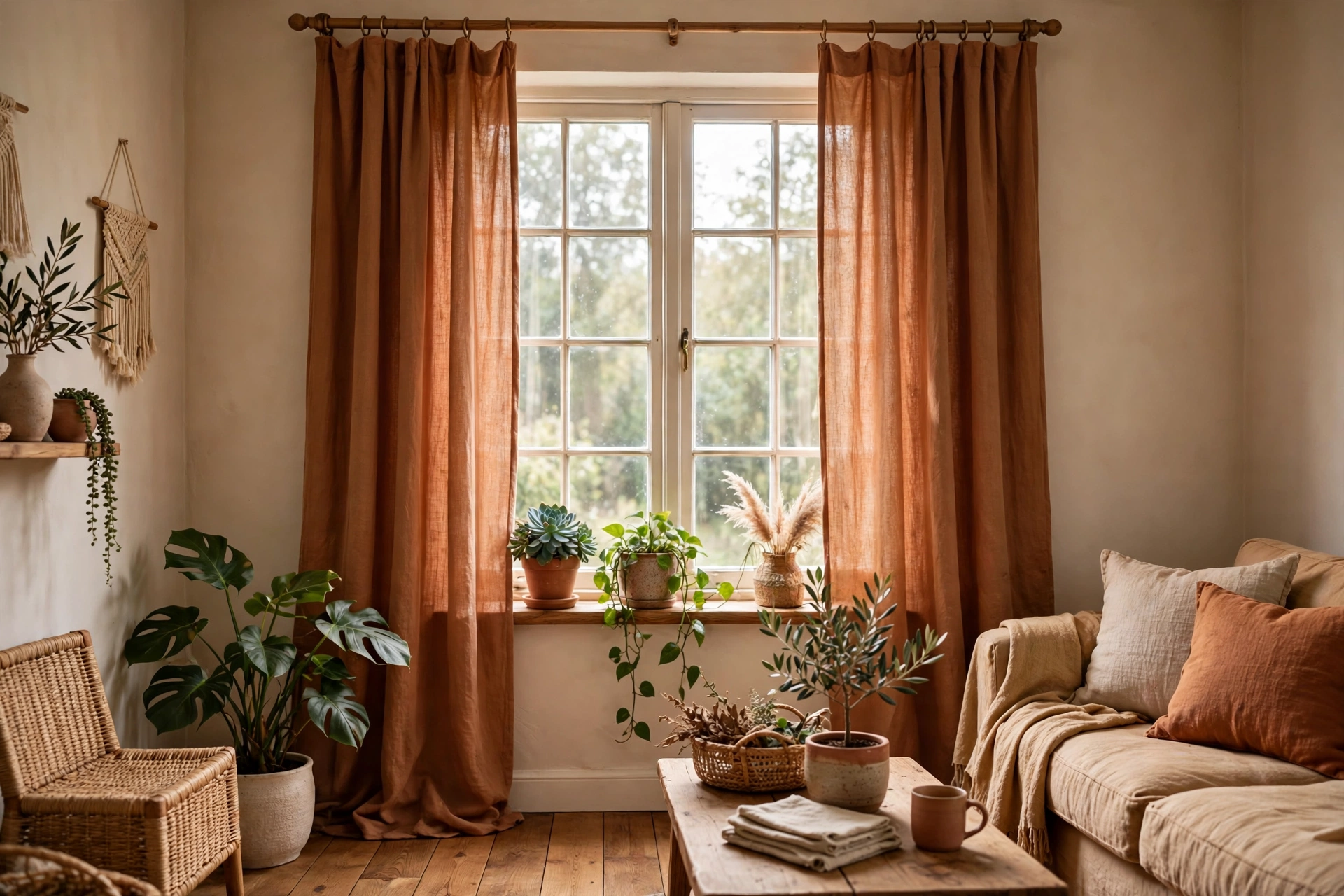
Best Window Curtains
Start with the job your window has to do, then pick the fabric and length that fit it. This guide sorts blackout, sheer, linen, velvet and thermal curtains by room and need.
Short answer
Buy for the job first, not for the prettiest panel. If you need sleep in a bright room, start with blackout curtains. If you want a bright living room that still feels private in the day, start with sheer curtains, with a heavier panel in front of them on a second rod if you also need night privacy. The rule through this guide is: the sheer hangs nearest the glass, and the heavier closing panel hangs in front of it, on the room side. If you want warmth and a softer look, linen or thermal curtains are the usual starting points, and velvet suits a formal room or a cold bedroom. Measure the rod width and the drop before you order, because the wrong length or a too-narrow panel is the most common reason a good curtain looks wrong. This guide gives quick picks by job, a short way to choose, plain notes on each main type, room advice, and a brief measuring section, with deeper guides linked where they help.
As an Amazon Associate I earn from qualifying purchases.
Quick picks by job
Start here if you want a short list. Each pick is matched to one job. Four of the six picks block light, and they differ by the second job: Pick 1 for the darkest bedroom, Pick 3 for a first low-cost blackout set, Pick 4 when the linen look matters, Pick 5 when temperature matters as well as darkness. Pick 2 is the only light-filtering pick, and Pick 6 is the only wide-door pick. No pick states a panel count, size, color, or header here, because those vary by listing: check panel count (one panel or a pair), header, size, and color on the listing before you order.
Comparison at a glance
| Pick | Best for | Key feature |
|---|---|---|
| NICETOWN Blackout Curtain Panels | A bedroom that stays bright at night, or a room where morning light wakes you too early. | Blackout fabric aimed at blocking outside light, in a plain look that suits most bedrooms |
| Sheer voile panels | A living room where you want daylight and a soft view, with daytime privacy from the street. | Light, see-through fabric that filters sun rather than blocking it |
| LEMOMO Blackout Curtains | A first set of blackout curtains for a bedroom or living room, where cost matters and the look needs to stay simple. | Blackout panels in a plain polyester fabric, with a thermal-insulated design as listed for this pick |
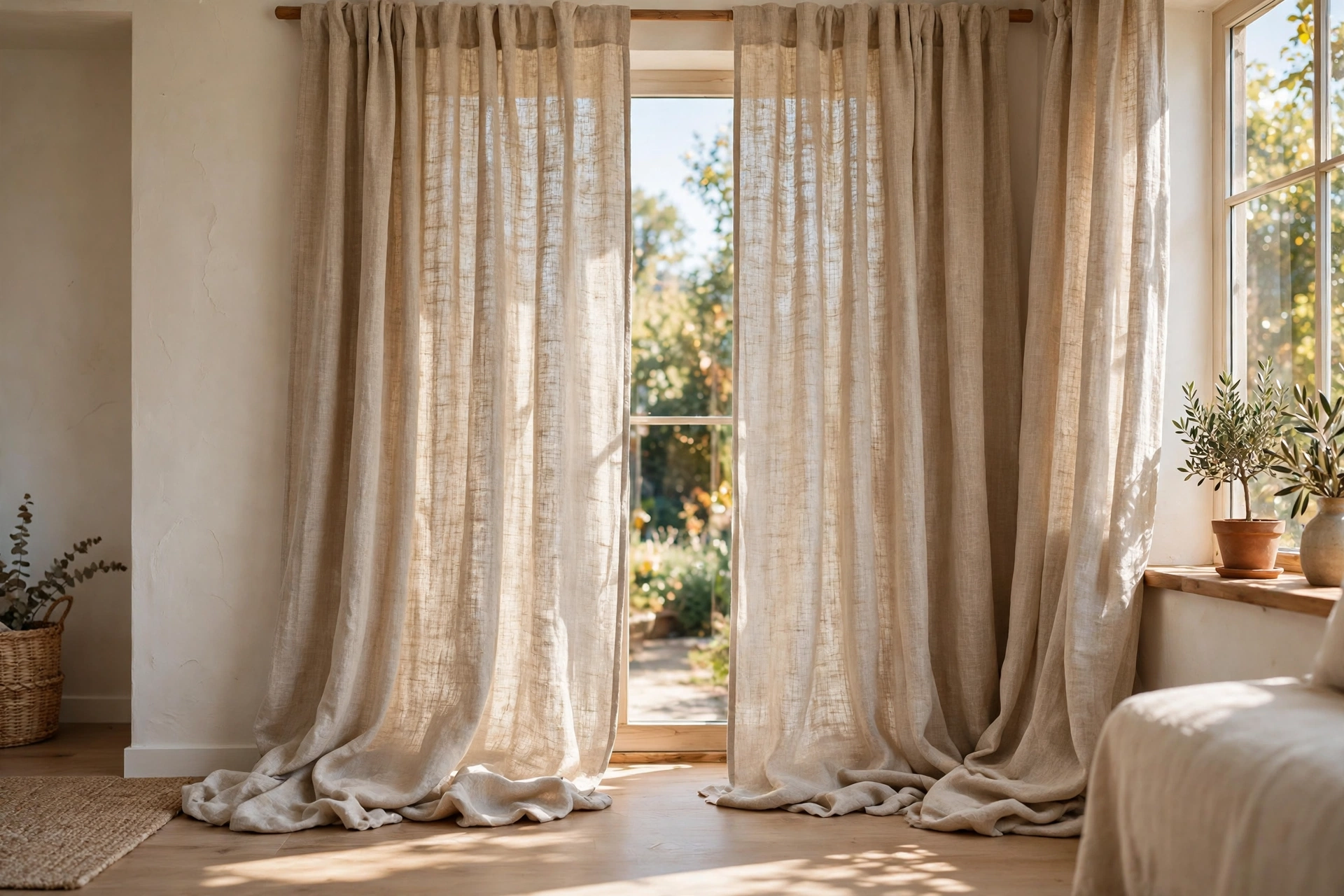
| H.VERSAILTEX Linen Blackout Curtains | A buyer who wants the textured look of linen but still needs real darkness in a bedroom or living room. | Linen-look texture, meaning a fabric made to look like linen rather than pure linen, with a blackout lining… |
| MIULEE Thermal Insulated Blackout Curtains | A drafty window, a room that overheats in sun, or a bedroom that needs darkness plus a bit of insulation. | Thermal-insulated blackout panels that combine light blocking with a lining aimed at cutting drafts and heat… |
| BGment Sliding Door Curtain | A sliding glass door or a wide window that you open and close every day. | Wide panels made for a door opening, with a blackout and thermal-insulated design as listed for this pick |
1. NICETOWN Blackout Curtain Panels - Best for sleep
- Best for: A bedroom that stays bright at night, or a room where morning light wakes you too early.
- Key features: Blackout fabric aimed at blocking outside light, in a plain look that suits most bedrooms.
- Pros: Strong choice when darkness is the main job.
- Cons: Can look flat on its own in a living room, and light can leak at the edges if the rod is too narrow or too low.
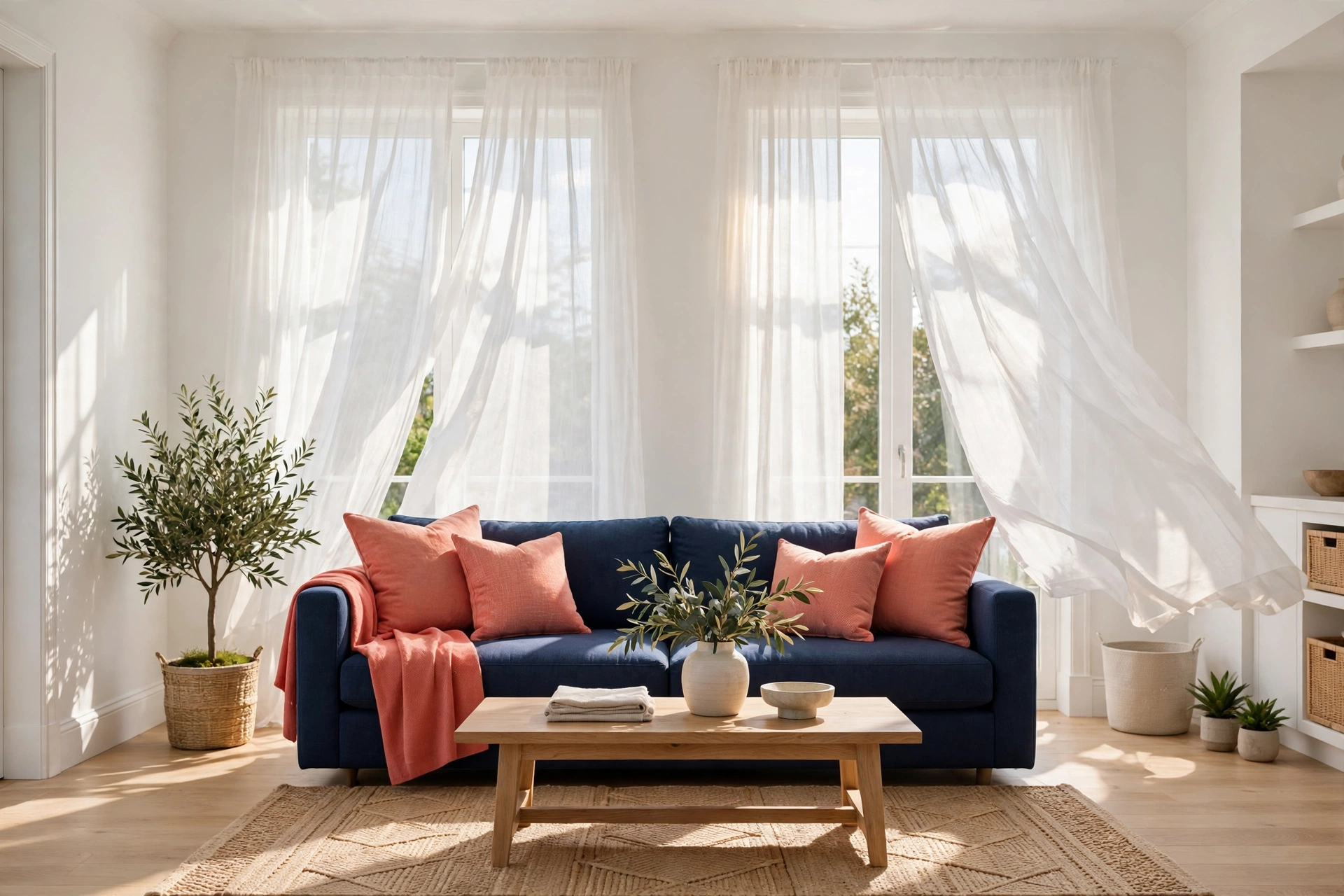
2. Sheer voile panels - Best for a light living room
- Best for: A living room where you want daylight and a soft view, with daytime privacy from the street.
- Key features: Light, see-through fabric that filters sun rather than blocking it. This pick is a fabric type, not one brand: sheer voile is bought by fabric, width, and header, so compare listings on those points rather than a brand name.
- Pros: Keeps a room bright and open, and softens harsh sun and glare.
- Cons: Gives little privacy after dark when indoor lights are on.
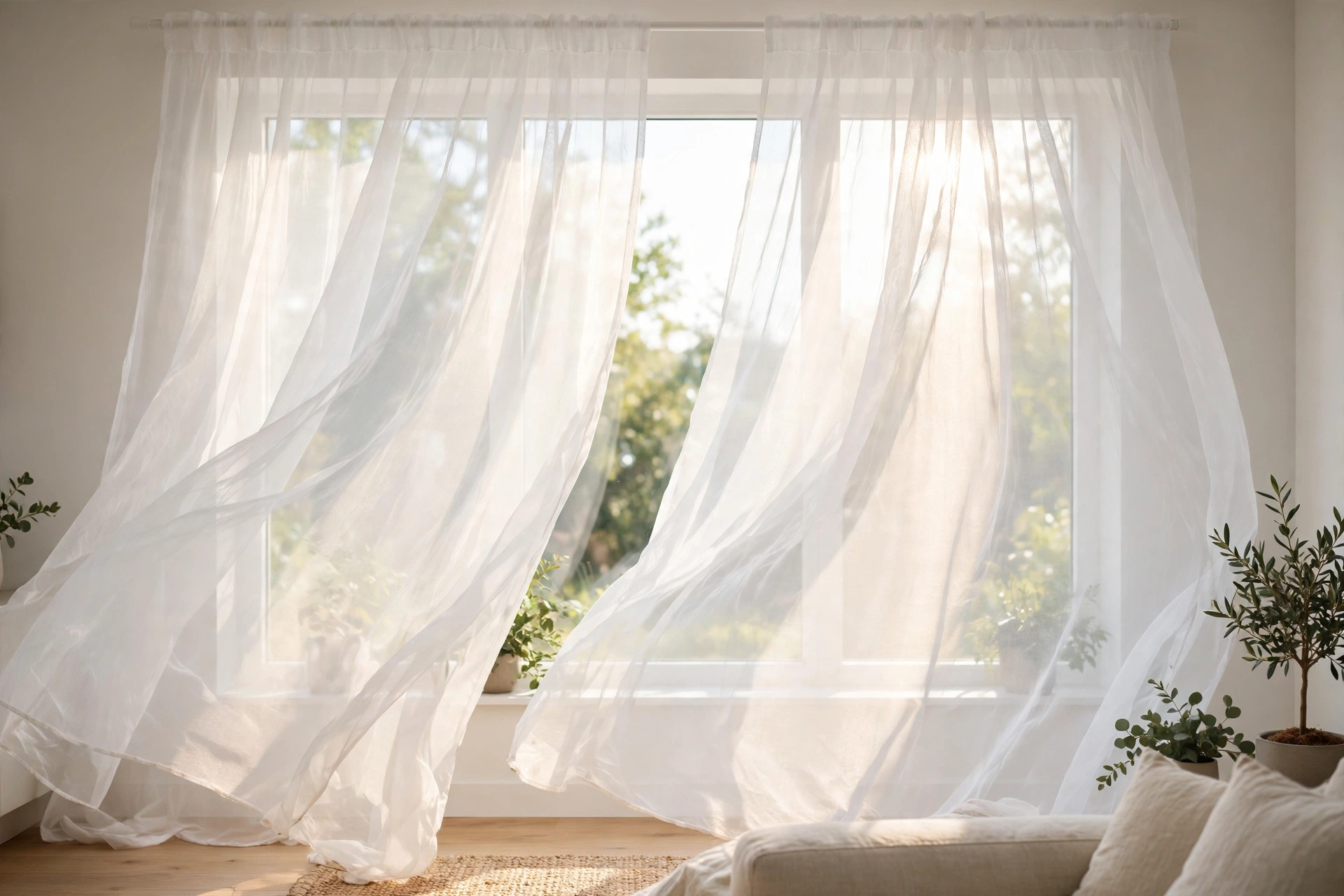
3. LEMOMO Blackout Curtains - Best for a budget buy
- Best for: A first set of blackout curtains for a bedroom or living room, where cost matters and the look needs to stay simple.
- Key features: Blackout panels in a plain polyester fabric, with a thermal-insulated design as listed for this pick. Confirm the lining on the listing before you order.
- Pros: Low-cost way to test whether blackout suits your room.
- Cons: Can look thin if the total width is too narrow, so check lining and care in the listing before you buy.
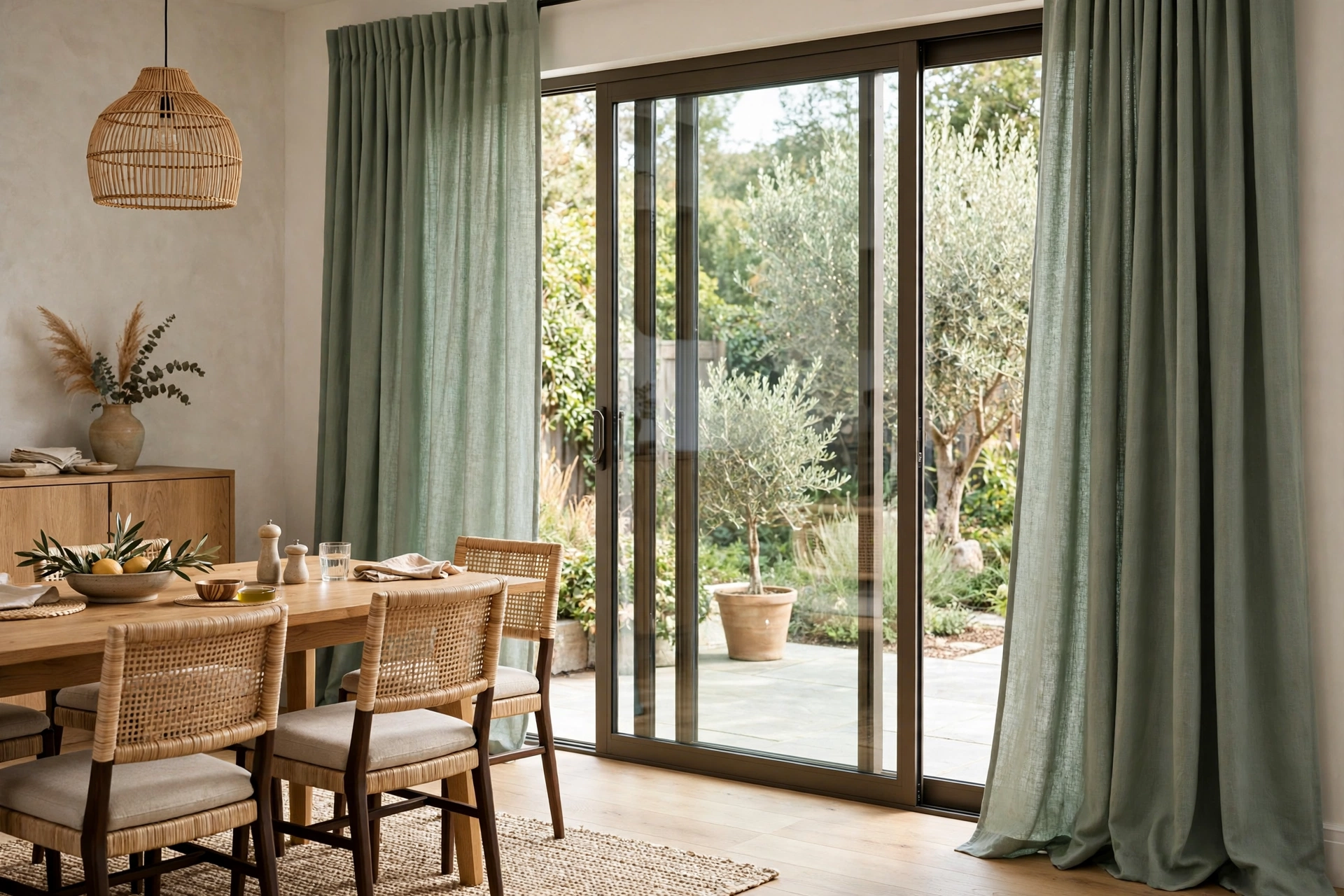
4. H.VERSAILTEX Linen Blackout Curtains - Best for a linen look
- Best for: A buyer who wants the textured look of linen but still needs real darkness in a bedroom or living room.
- Key features: Linen-look texture, meaning a fabric made to look like linen rather than pure linen, with a blackout lining as listed for this pick, so the face looks natural while the lining blocks light. Confirm the lining on the listing before you order.
- Pros: Warmer and more textured than a flat polyester panel.
- Cons: Linen-look fabric can wrinkle and may need steaming, and heavier lined panels need a sturdy rod.
5. MIULEE Thermal Insulated Blackout Curtains - Best for thermal help
- Best for: A drafty window, a room that overheats in sun, or a bedroom that needs darkness plus a bit of insulation.
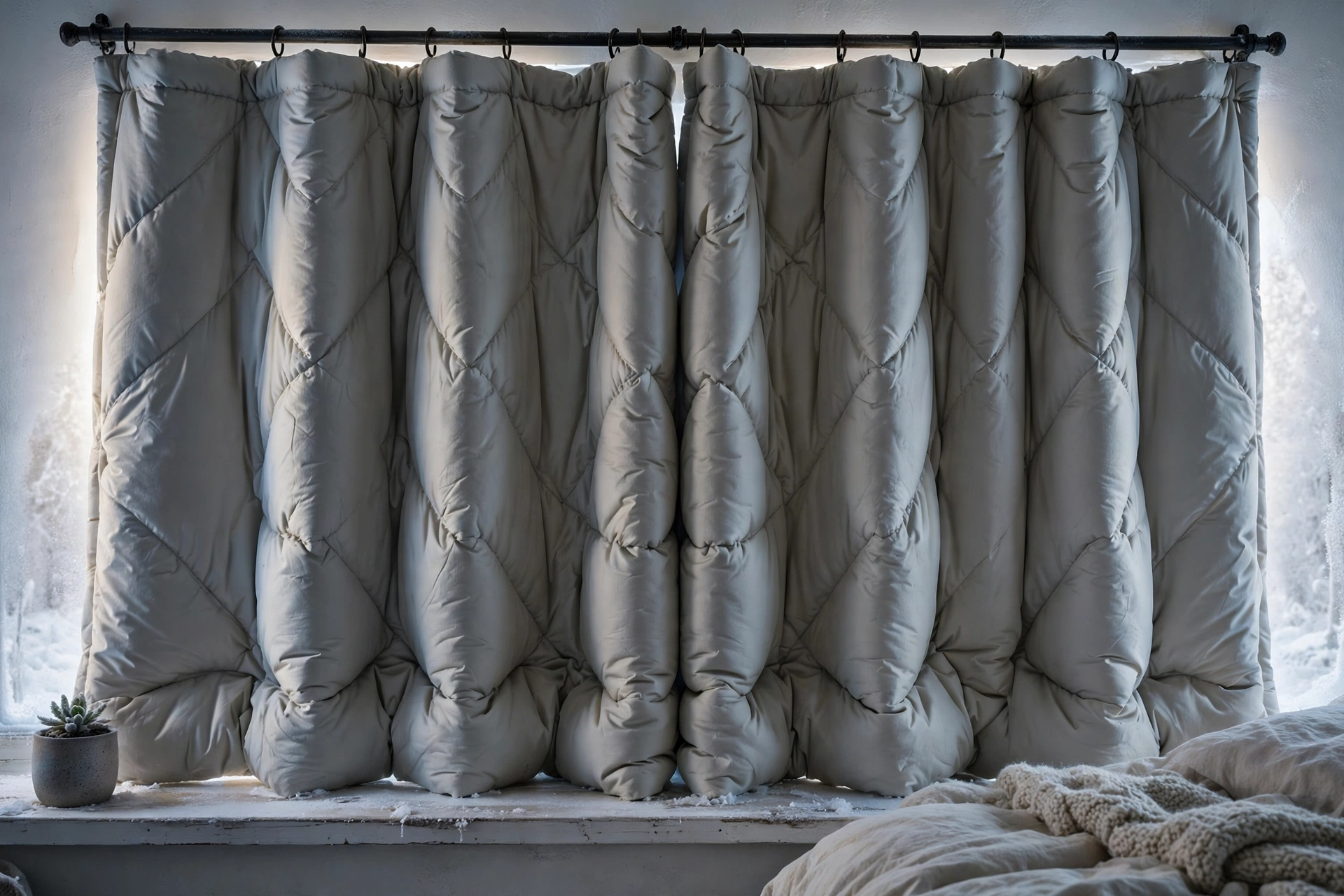
- Key features: Thermal-insulated blackout panels that combine light blocking with a lining aimed at cutting drafts and heat transfer.
- Pros: One panel covers two jobs, darkness and temperature.
- Cons: Heavier than sheers, so it needs solid hardware, and it will not fix a badly sealed window on its own.
6. BGment Sliding Door Curtain - Best for a wide door
- Best for: A sliding glass door or a wide window that you open and close every day.
- Key features: Wide panels made for a door opening, with a blackout and thermal-insulated design as listed for this pick. Header: choose a grommet or ring-top version, as the sliding-door FAQ below recommends, and confirm it on the listing.
- Pros: Covers a wide span without a skimpy middle gap.
- Cons: Wide doors need a long rod with a center support, and panels that stack clear of the opening. Panel count: confirm on the listing whether you are buying one panel or a pair before you order.
If none of these fits, do not force it. Use the five steps below to name your job, then follow the link to the guide for that type or room.
How to choose curtains in five steps
Follow these five steps in order. Start with light, then privacy, then room, then size, then fabric and care.
Step 1: Decide how much light you want. A bedroom or media room usually needs darkness. A living room usually needs filtered light in the day. A kitchen usually needs bright light with some privacy.
Step 2: Decide how much privacy you need, and when. Day privacy and night privacy are different jobs. Sheers screen a street view in daylight but show shapes after dark when lamps are on. Lined or blackout panels give night privacy.
Step 3: Match the curtain to the room. Bedrooms favor darkness, quiet and warmth. Living rooms favor light, softness and a panel that looks good open. Kitchens favor short lengths and washable fabric. Dining rooms favor longer panels and a calmer fabric.
Step 4: Measure before you shop. Measure the rod width, not just the window width, and measure the drop from the rod to your chosen end point.
Step 5: Pick fabric and care you will live with. A washable polyester or cotton panel suits a kitchen or a busy family room. Velvet often needs dry cleaning, so it suits a formal room better than a room where panels are handled daily. Linen wrinkles and needs steaming if you want it smooth. Choose the care routine you will actually keep, not the fabric you like in a photo.
Blackout curtains: when darkness is the job
Blackout curtains are the right pick when darkness is the main job, not just a nice extra. Choose them for bedrooms, nurseries, shift-worker sleep, media rooms and any room where streetlights or early sun break sleep. What makes a blackout panel work is the fabric and lining, not the color alone. A pale panel with a proper blackout lining can block more light than a dark panel with a thin weave.
Fit is where most blackout buys fail. Light leaks at the top above the rod, at the sides past the frame, and at the bottom below the hem. Hang the rod higher and wider than the frame, overlap the frame on each side, and choose a length that reaches the floor or just touches it (a kiss length, defined in the measuring section below). The full Best Blackout Curtains guide covers lining types and light-leak fixes.
Sheer curtains: light without a bare window
Sheer curtains are the right pick when you want daylight, softness and daytime privacy without a bare window. Choose them for living rooms, sunrooms, dining rooms in the day, and any window where a heavy panel would make the room feel closed in. Sheers come in voile, chiffon and light polyester. Voile is soft and matte. Chiffon is lighter and more flowing. All of them filter light. They do not block it, and they do not give night privacy on their own.
The night test is the one buyers miss. After dark, with the room lights on, check what shows through from outside if you can reach that view. If you live in a flat or an upper floor and cannot get outside, stand in the darkest part of the room and look at the lit panel: if shapes show clearly, night privacy will fail. If it matters, hang the sheer nearest the glass, with a blind or heavier panel in front of it (room side), and close that layer at night. The full Best Sheer Curtains guide covers voile, layering and night privacy.
Linen curtains: relaxed texture that still works
Linen curtains are the right pick when you want a natural, relaxed look with soft light. Choose them for living rooms, dining rooms and bedrooms where texture matters more than total darkness, and where a slightly rumpled drape feels right. Real linen has a visible slub and a matte finish that flat polyester cannot copy. It also wrinkles, and that is part of the look rather than a fault, but it is worth knowing before you buy. If you want a crisp, pressed finish every day, linen will frustrate you.
Bedroom linen curtains are sold as pure linen, blends, and linen-look, so check the fiber content on the listing before you assume which one you are buying. Many pair a linen face with a lining for privacy or darkness. That pairing is useful: you get the linen look on the room side and the function from the lining. Linen on its own filters light rather than blocking it, so pair it with a blackout lining or a second panel for a bedroom. The full Best Linen Curtains guide covers real linen, blends, care and lining choices.
Velvet curtains: weight, warmth and a formal look
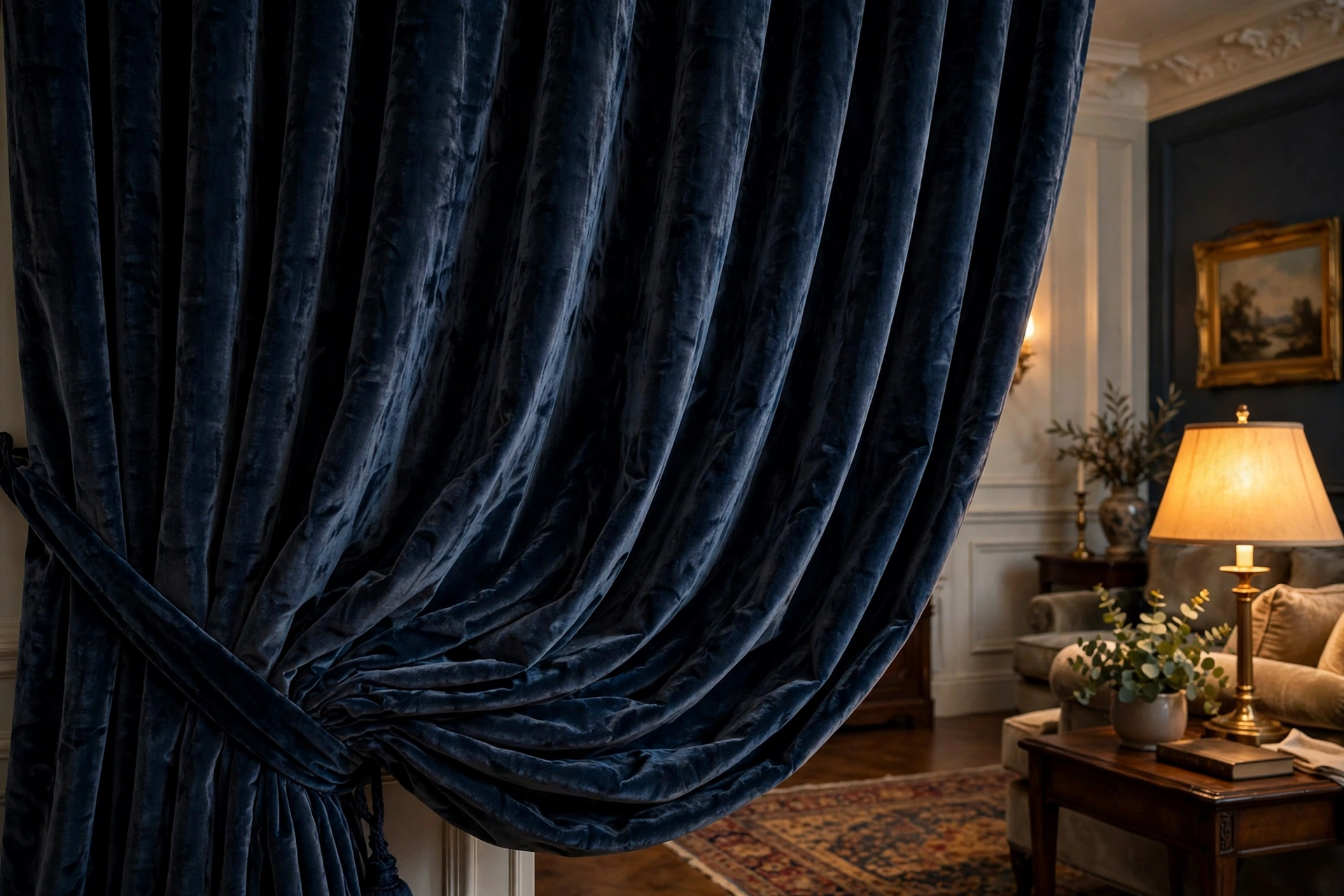
Velvet curtains are the right pick when you want weight, drama and warmth in one panel. Choose them for formal living rooms, dining rooms, cold bedrooms and media rooms, where a heavy drape adds both look and function. The weight is both the benefit and the cost. Heavy velvet hangs in deep folds, blocks more light than a light fabric, and can soften sound a little and, with a close fit, slow drafts.
Care is the second cost. Many velvet panels need dry cleaning, and some crush or mark if washed at home. Read the care label before you buy, and think about how often the panels will need cleaning in your house. Velvet also changes a room more than other fabrics: a dark velvet panel can make a small room feel smaller, while a lighter velvet kept to the window width keeps the room open. For a formal living room, the living room guide below covers how a heavy panel is layered and hung.
Thermal curtains: drafts, heat and cold
Thermal curtains are the right pick when temperature is the problem, not just light. Choose them for drafty windows, cold bedrooms, sun-baked rooms and older homes where windows lose heat in winter and gain heat in summer. They work by adding a lining or a dense weave that slows heat moving through the window. A thermal panel is defined by its lining, not by its face fabric. Cotton, polyester, velvet and linen-look faces can all carry a thermal lining, so look for the lining description in the listing, and check whether the panel is described as thermal-insulated, lined or interlined.
Fit matters for thermal curtains as much as for blackout curtains. A panel that stops short of the floor leaves a cold gap at the bottom. A narrow panel leaves gaps at the sides. Floor-length panels that overlap the frame and sit close to the wall trap more air and work better. The full Best Thermal Insulated Curtains guide covers lining types and draft checks.
Bedroom curtains: sleep first, style second
Bedroom curtains should be chosen for sleep first and style second. Start with darkness, then night privacy, then warmth and quiet, then color and texture. A beautiful panel that lets in streetlight at 2 a.m. has failed its main job, however good it looks in daylight. For most bedrooms, the simplest strong setup is a blackout panel on a rod hung high and wide, with sheers behind it if you want soft morning light without opening the room to the street.
If you sleep in the day, go wider and longer than you think you need, and check the top and side gaps after hanging, since those are the leaks that wake light sleepers. Fabric choice follows the sleep setup. Avoid a sheer-only bedroom unless the room faces a private garden and has no streetlight, because night privacy will fail. Length in a bedroom is usually floor length, unless radiators sit under the window, in which case use a sill length, or a length that stops above the radiator, and use a blind inside the frame for darkness instead of a sheer. The full Best Curtains for Bedroom guide covers sleep setups and radiator cases.
Living room curtains: bright by day, private at night
Living room curtains should be chosen for daylight first, then evening privacy. Start with how the room is used in the day: reading, watching screens, working, or gathering. Sheers are the usual daytime answer, hung nearest the glass, with a heavier panel in front of them for the evening. Blackout panels in a living room work best as the night layer, pulled back in the day so they do not darken the room.
Color and length shape the room more here than in a bedroom. A color close to the wall makes the window blend in and the room feel larger. Floor length is the safe default for a main living room window, with a float of about half an inch above the floor for daily use, or a kiss length that just touches the floor for a tailored look. The full Best Curtains for Living Room guide covers glare, layering and wide windows.
Kitchen curtains: short, washable and practical
Kitchen curtains should be chosen for practicality first. Start with washability, then length, then light. Kitchens collect steam, cooking smells, splashes and dust, so a panel that cannot be washed easily will look tired fast, however pretty it is on day one. Short lengths suit most kitchens. Sill length or cafe length keeps the hem clear of sinks, taps, worktops and cookers, and it lets you open the window without moving a long panel. Cafe curtains, which cover the lower half of the window, give privacy at eye level while leaving the top open for light, and they suit street-facing kitchen windows well.
Fabric for a kitchen should be cotton, polyester or a blend that washes well and dries fast. Avoid heavy velvet, silk and dry-clean-only panels here, and avoid long puddled hems that collect dust and moisture. Light-filtering cotton or linen-look panels give a bright kitchen without glare, and a sheer layer adds daytime privacy without blocking light. For short lengths, the curtain sizes guide covers sill and cafe lengths.
Dining room curtains: longer, calmer and more formal
Dining room curtains should be chosen for a calmer, more formal feel than a kitchen, with length and texture doing most of the work. Start with floor length, then a fabric with some body, then a color that suits evening light. Many dining rooms are used most in the evening, so night privacy and warm light matter more than daytime brightness. If yours is used for breakfast and lunch, daytime light matters more, so keep the sheer layer for day use. Floor-length panels suit a dining room even when the window is not large, because they make the room feel finished and draw the eye up. Linen, textured cotton and velvet all work here, with velvet for a formal room and linen for a relaxed room.
Sheers behind the main panel soften daylight for lunch and give a layered look in the evening, when the heavier panel closes for privacy. A float length just above the floor is easier to keep clean than a puddled length in a room used for meals. Measure with the measure guide and hang with the hang guide linked in the measuring section below. Color can be deeper here than in a kitchen: navy, forest green, warm grey and deep rust all suit evening light, while pale linen suits a bright daytime dining space.
Measuring and hanging in brief
Measure in this order, and you will avoid most ordering errors. First, decide the rod position. Then measure the rod width. Then measure the drop. Then work out panel width and count. Hang the rod higher and wider than the frame as a starting rule. Many guides suggest 4 to 6 inches above the frame and 8 to 12 inches past each side, which makes the window look taller and lets open panels stack beside the glass. On a sliding door, allow 10 to 15 inches of stack-back (the width open panels take up at the sides) on each side so open panels clear the doorway.
Rod width here means the span the panels must cover, measured bracket to bracket, with decorative finials excluded. Do not use the full rod including finials, and do not use the window width alone. Header styles to check on the listing are grommet (rings that slide on the rod), rod pocket (a sewn channel the rod passes through), back tab (loops at the back), pinch pleat (gathered pleats), and ring-top (rings clipped or sewn to the panel). For fullness, aim for total panel width about 2 times the rod width for most fabrics, and more for sheers, which need extra fullness to avoid looking thin. Measure the drop from the rod to your chosen end point. Sill length ends at the sill. Floor length ends at the floor, with a float of about half an inch above it for daily use, or a kiss that just touches it. The full guides to How to Measure for Curtains, How to Hang Curtains and Curtain Sizes cover each step, header and window shape in full.
Mistakes to avoid
Avoid these mistakes, and a mid-range curtain will look better than a costly panel hung badly. First, do not buy panels that are too narrow. A flat, stretched panel with no folds looks cheap in any fabric, so buy for total width, not for a single panel width, and add a panel if the total falls short. Second, do not hang the rod at the frame edge. A rod fixed tight to the frame makes the window look small, blocks light when panels are open, and leaves light gaps when they are closed. Hang it higher and wider, and let open panels rest on the wall.
Third, do not pick a sheer for night privacy, or a blackout panel for a bright living room, and then blame the fabric. Match the type to the time of day the room is used most, or layer two types. Fourth, do not ignore care. A dry-clean-only velvet panel in a busy family room, or a linen panel in a house where no one steams, will disappoint fast, so read the care label first. Fifth, do not order without checking panel count, header style and length definition. Some listings sell one panel, some sell a pair, and some measure length including the header.
How we chose
We chose these picks by research, not by hands-on testing. We read maker and retail listings, compared what they cover, and matched panels to jobs buyers name most: sleep, bright living rooms, budget, linen look, thermal help and wide doors. We did not test panels in a home, and we do not claim to have done so. Where a maker claim is mentioned, it is a maker claim, not a verified result for your window.
Frequently asked questions
These are the questions buyers ask most, with short answers.
What is the best type of curtain for a bedroom?
A blackout panel, hung high and wide, is the best starting point for most bedrooms, because sleep needs darkness and night privacy. Add sheers behind it if you want soft morning light.
Do blackout curtains make a room fully dark?
They cut most light, but they rarely make a room fully dark on their own. Light leaks at the top, sides and bottom of a normal rod setup. A wider and higher rod, floor-length panels, overlapping frames and a valance over the top gap all help.
Are sheer curtains private at night?
No, not on their own. Sheers screen a view in daylight, but indoor lights after dark show shapes and movement through them. If night privacy matters, layer sheers with a blind or a heavier panel, and close the heavier layer at night.
How wide should curtains be for a window?
Aim for total panel width about 2 times the rod width for most fabrics, and more for sheers. Measure the rod, not just the window, and split the total across enough panels to reach that width. A panel that looks full when closed and stacks beside the glass when open is the right width.
How high should I hang a curtain rod?
As a starting rule, hang it 4 to 6 inches above the window frame and extend it 8 to 12 inches past each side. Go higher and wider for blackout and thermal panels, and allow more stack-back on sliding doors.
How do I choose curtains for a sliding glass door?
Use at least two panels, one for each side, so they clear the opening. Choose a long rod with stack-back space on each side, floor length with a small float above the floor, and a header that slides easily, such as grommet or ring-top.
Do thermal curtains really help with drafts?
They help by adding a lining and a closer fit that slows heat moving through the window, but they do not seal a window. Fix broken seals and large frame gaps first, then add floor-length thermal panels that overlap the frame.
Should curtains touch the floor?
They can, but they do not have to. A kiss length touches the floor and looks tailored. A float length sits about half an inch above the floor and is easier to keep clean. A puddled length pools on the floor and suits formal rooms with little traffic. For doors and busy rooms, a float length is the practical choice.